Rule 05 — Two outfits — yes or no?
An outfit change adds variety but costs time — usually twenty to thirty minutes when you account for finding somewhere to change, touching up hair and makeup, and getting back into the session's rhythm. Whether that trade-off is worth it depends on your day.
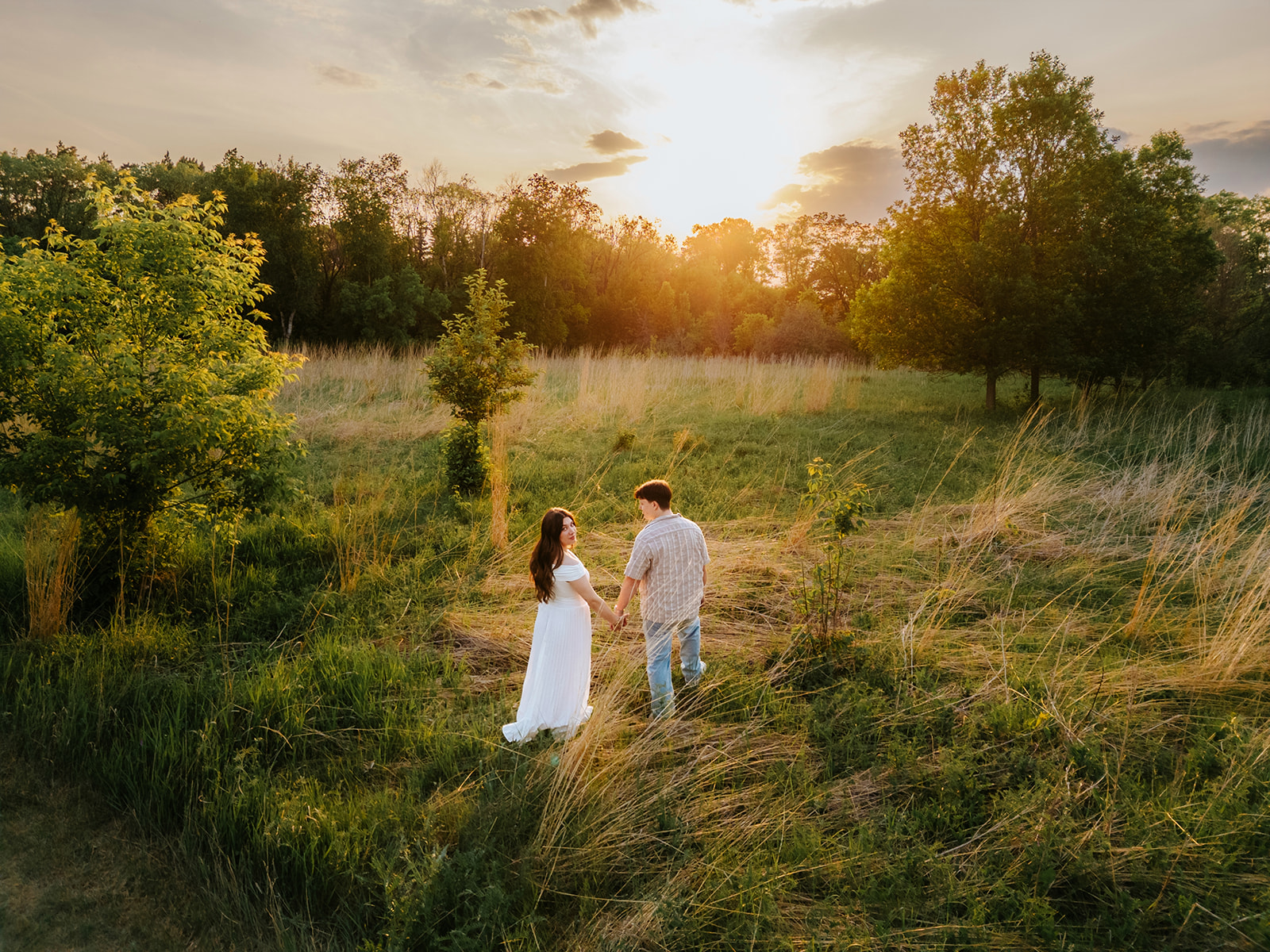
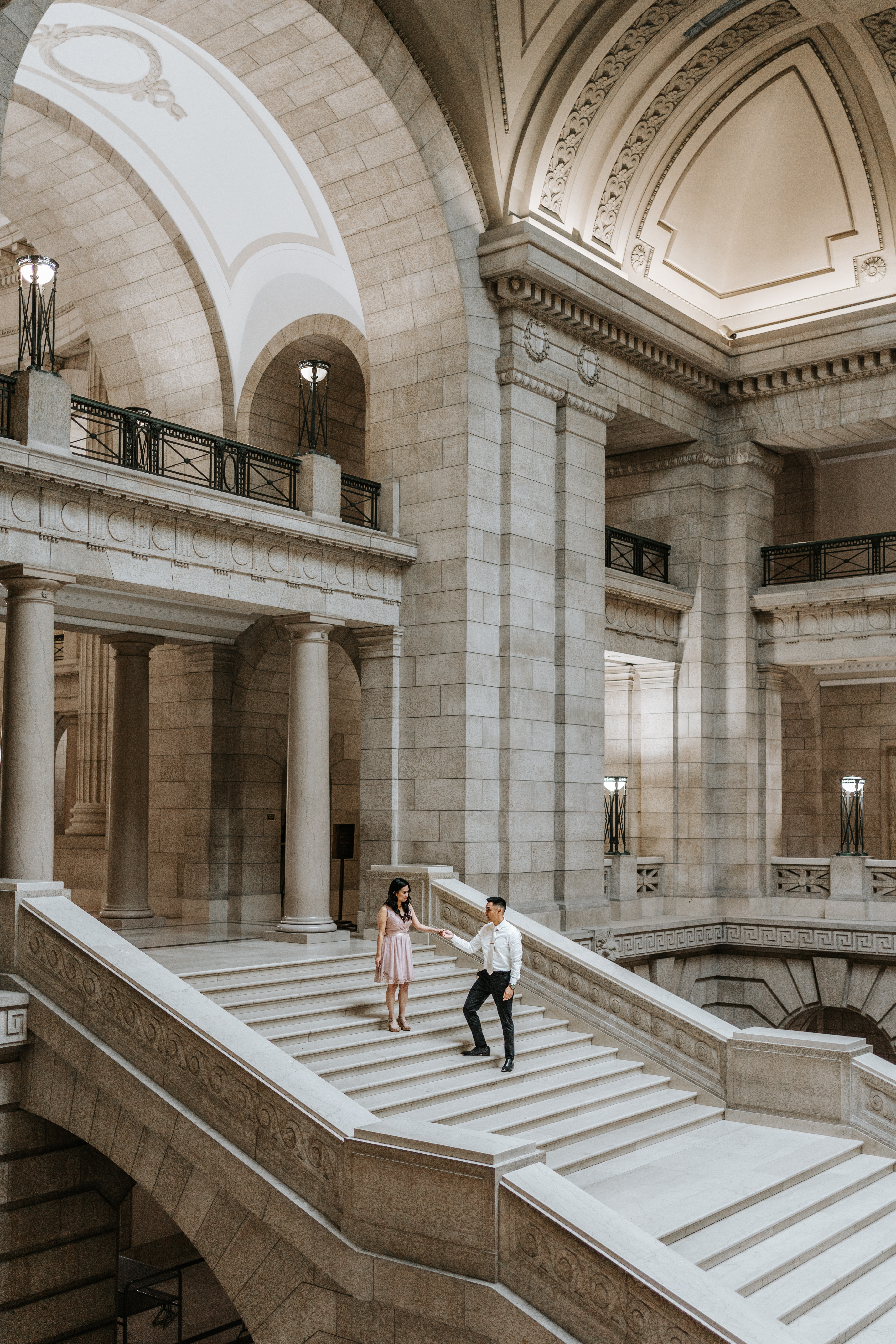
A second outfit makes the most sense when your session involves two genuinely distinct settings — something architectural and dressed-up followed by an outdoor golden-hour session where a more casual look would feel more natural. In that case, changing between locations gives you two complete, coherent sets of images rather than one set where the outfits and setting don't quite match.
If you're staying in one location, the better investment of your time is usually staying in one great outfit and letting the light, the setting, and your comfort level do the visual work. The images that tend to look most different from each other come from moving to a new spot or waiting for the light to change — not from changing clothes. That said, if you have a casual look and a dressed-up look that you love equally and can change quickly, there's no reason not to bring both.
Rule 06 — Dress for your setting
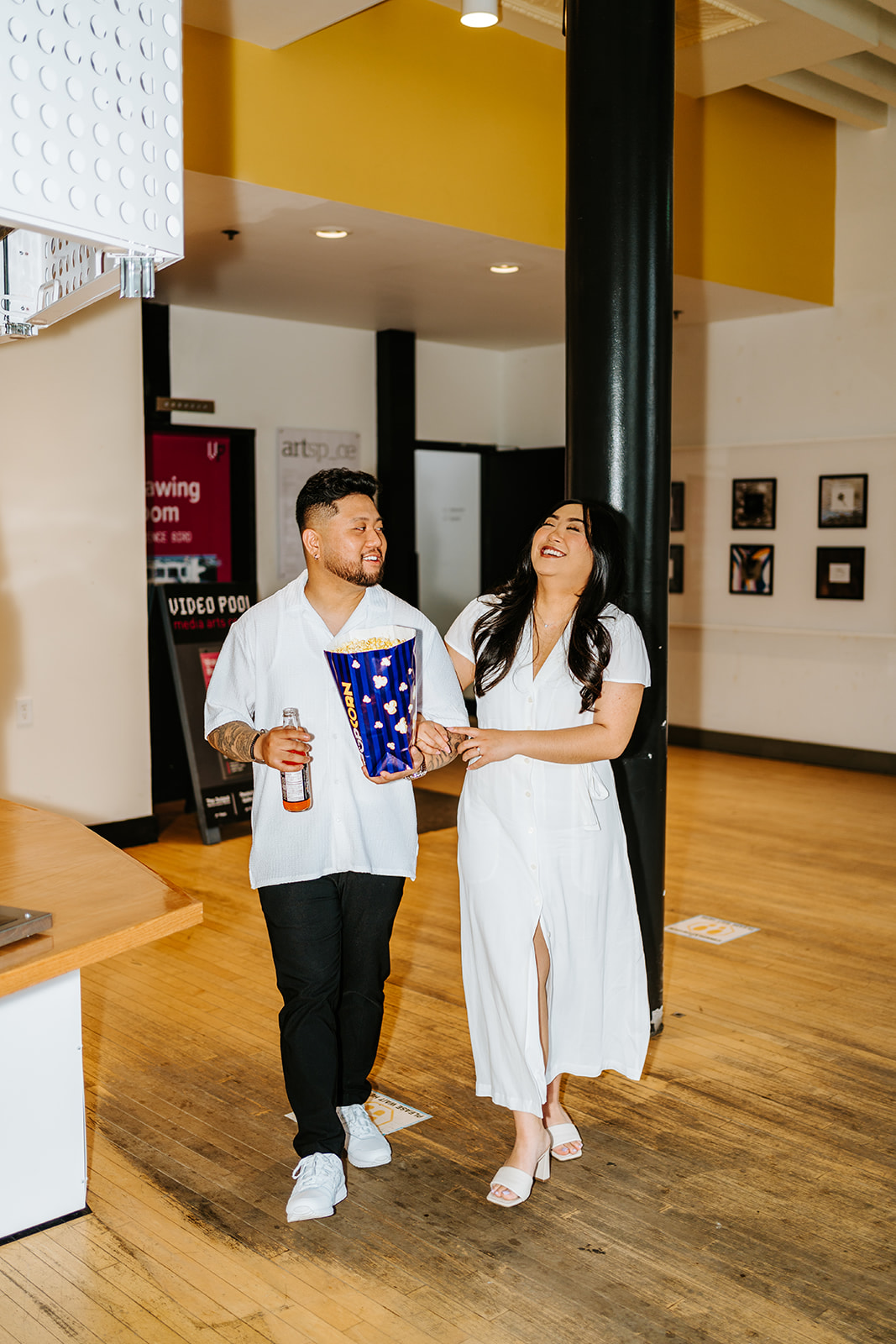
Your outfits and your location should feel like they belong to the same story. This doesn't mean matching your surroundings literally — a forest-green dress in a forest, a cream dress on a beach — but it does mean thinking about whether the formality and tone of your outfits complement where you'll be.
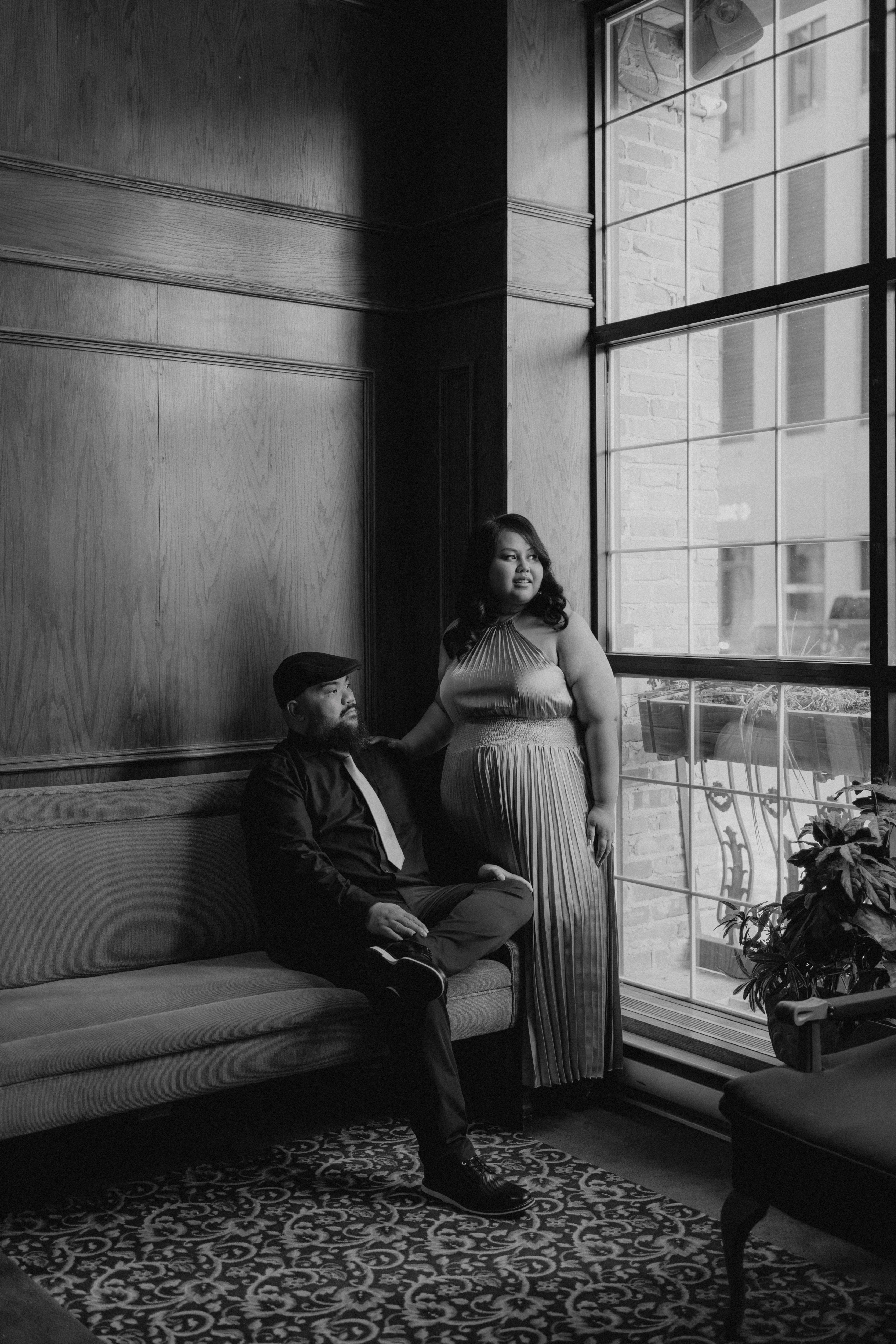
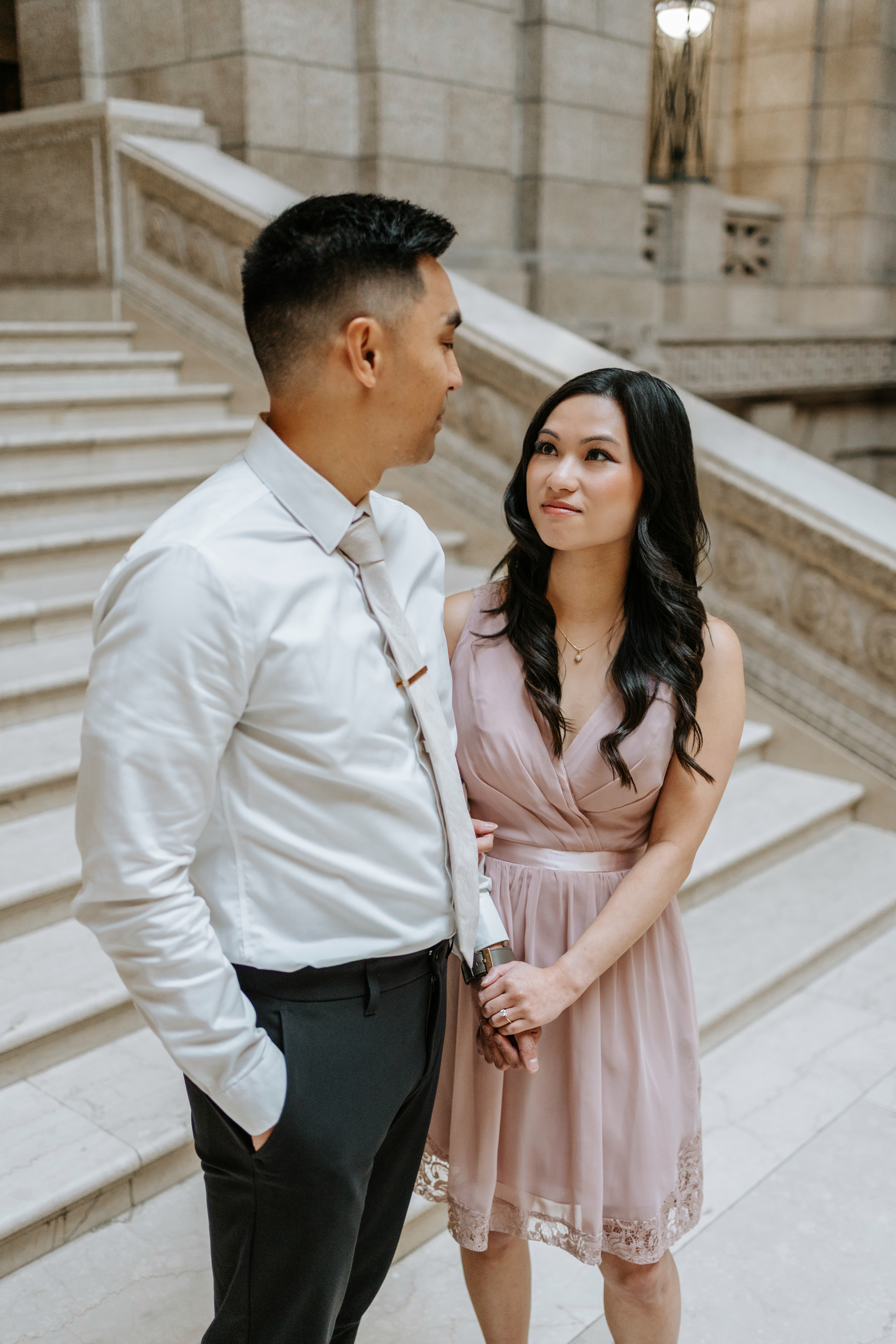
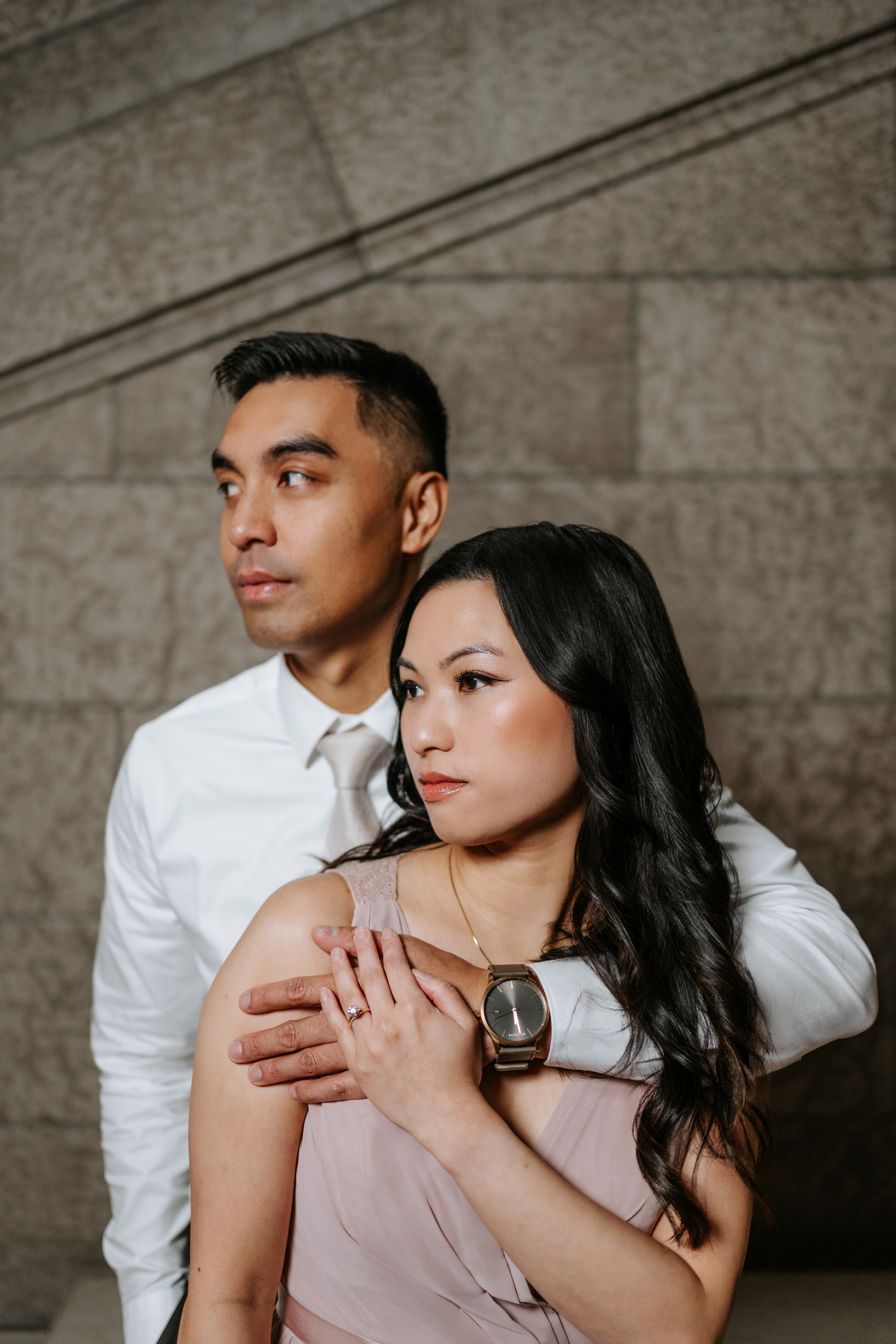
For architectural and heritage locations — grand lobbies, historic buildings, urban streets — leaning more formal works beautifully. A tailored suit, a structured midi dress, something with a bit of weight and intention. The environment has a visual register, and your outfits can either match it or jar against it. Matching it usually produces stronger photographs.
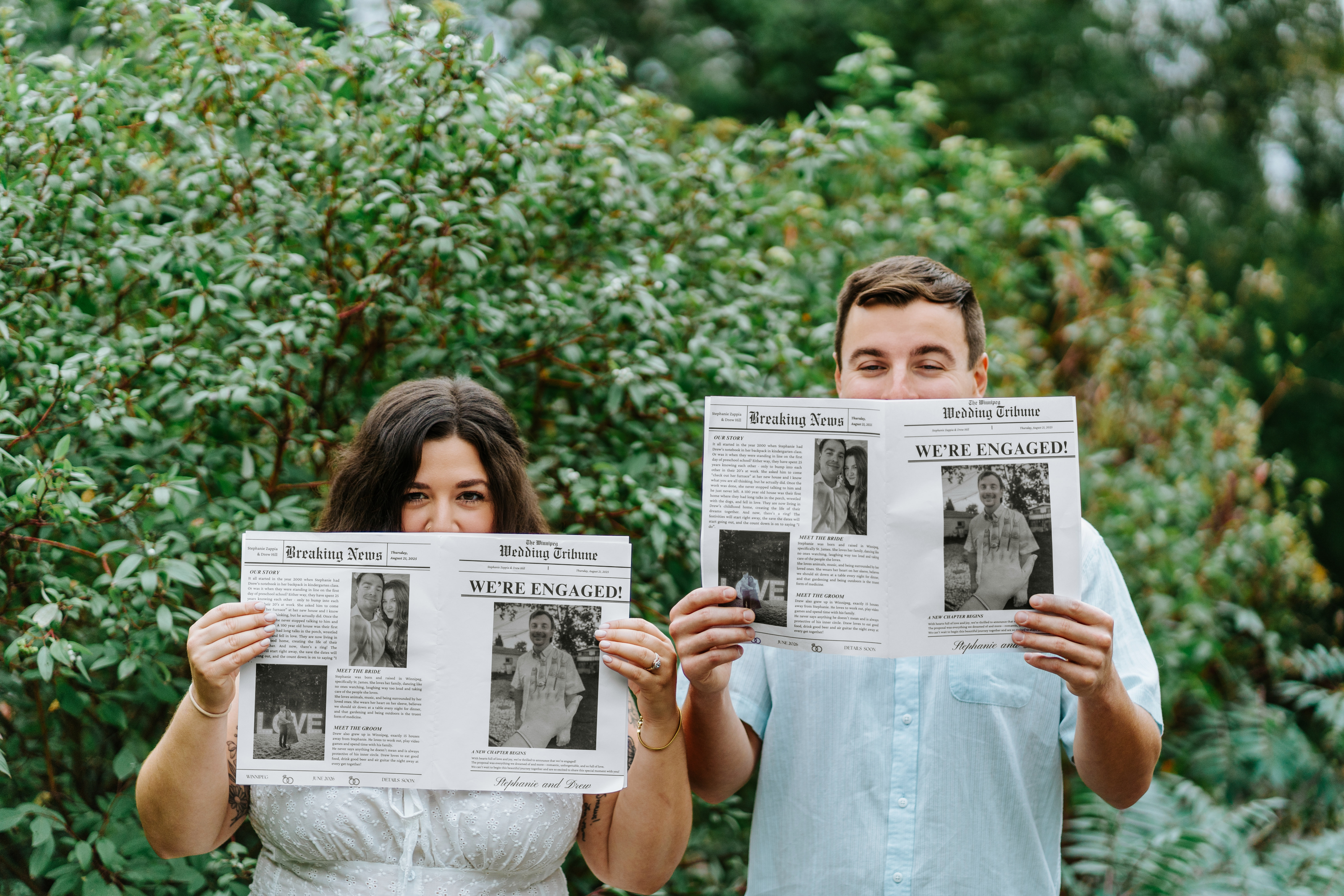
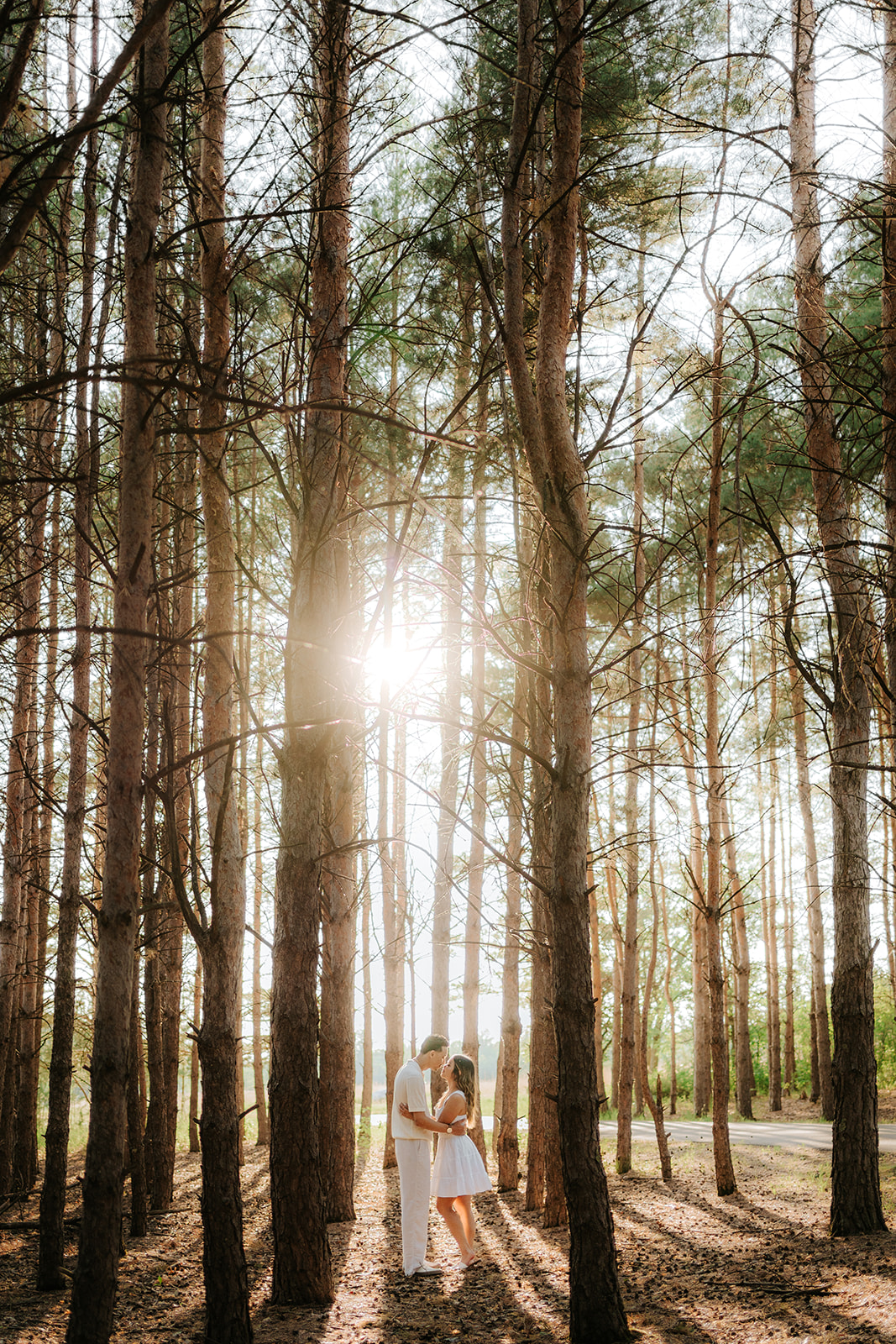
For outdoor sessions in natural settings — forests, fields, parks, lakeshores — slightly more relaxed and earthy outfits tend to integrate better. Not casual, still dressed up, but in tones and fabrics that feel like they emerged from the landscape rather than contrasting sharply with it. Flowing fabrics move beautifully in outdoor light. Structured tailoring can look slightly out of place against soft greenery. The divide isn't absolute, but it's worth thinking through.
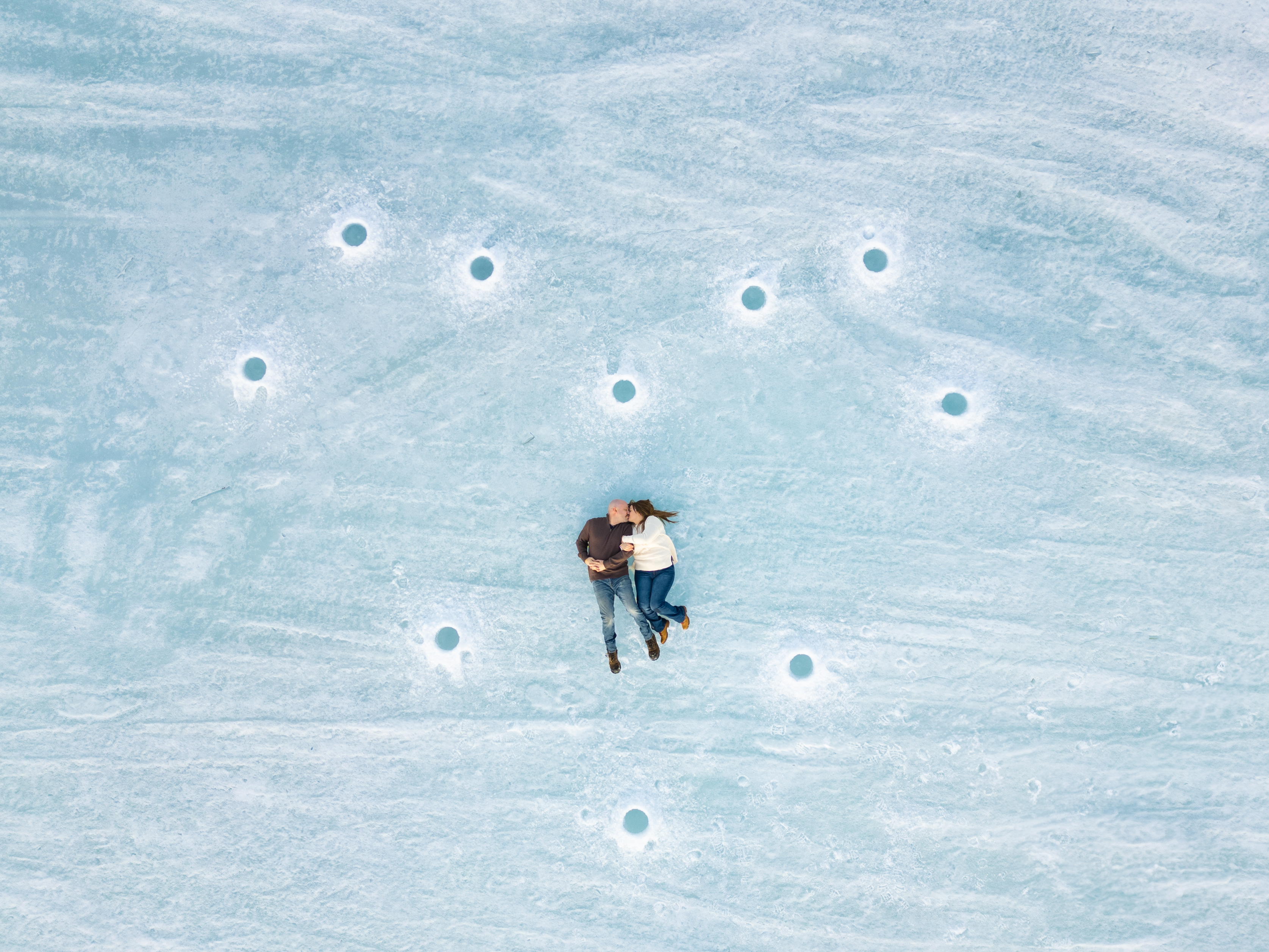
For winter sessions, layering becomes a genuine styling tool rather than just a practical consideration. A well-chosen coat, scarf, or jacket can become the most visually interesting element of the frame. Bring layers that are beautiful, not just warm. Some of the most striking engagement images I've made have been of couples in long wool coats against a snow-covered landscape — the outerwear doing as much visual work as anything worn underneath.